Best Remote Work Tools for Async Teams (2026 Stack)

Remote work got easier for me only after we stopped trying to replicate an office in chat. Once we leaned into async—written decisions, fewer meetings, and clear handoffs—the tool choices became obvious. The right stack reduces uncertainty more than it increases speed.
Async teams don’t just need “tools.” They need a system for decisions, updates, and ownership. This guide is a practical remote stack with objective criteria and trade-offs, so you can choose tools that fit your team rather than copying someone else’s setup.
Communication: Separate Fast Chat From Real Decisions

The biggest remote work problem isn’t messaging—it’s decision visibility. If decisions live in chat, they disappear.
Objective rules that help:
- Use chat for quick coordination, not long-term knowledge.
- Move decisions to a written place (docs, tickets, meeting notes).
- Create a lightweight cadence: weekly updates, monthly retros.
Trade-off: writing takes time. But it reduces repeated meetings and prevents “we already decided this” confusion.
Concrete example: Instead of “let’s discuss in a call,” post a short doc: “Option A / B / C, pros and cons, recommend B because …” and ask for comments by EOD. Decisions stay findable; the next person doesn’t have to re-ask. Chat is then for “when’s the deadline?” or “can you review this?”—not for the decision itself.
Documentation: Build a Small, Searchable Knowledge Base

Docs are the backbone of async work. The goal isn’t a perfect wiki—it’s a place where anyone can find the current answer.
What to document first:
- “How we work” (cadence, expectations, response times)
- Project specs and decisions (short, dated)
- Onboarding checklist (tools, access, first week tasks)
Keep it minimal and searchable. If you can’t find the doc quickly, it might as well not exist.
5-step async stack setup:
- Chat: Pick one channel per purpose (e.g. #general, #project-x, #decisions). Move decisions out of chat into a doc or ticket.
- Docs: One “how we work” doc (cadence, response expectations, where decisions live) and one place per project for specs/decisions.
- Tasks: One tool with owner + due date + status; weekly review so status isn’t stale.
- Meetings: Scheduling links for external; internal only when async didn’t work. Default to written update + short async video if needed.
- Review: Once a month, drop or simplify one tool or ritual that nobody uses.
Tasks and Planning: Make Ownership Visible
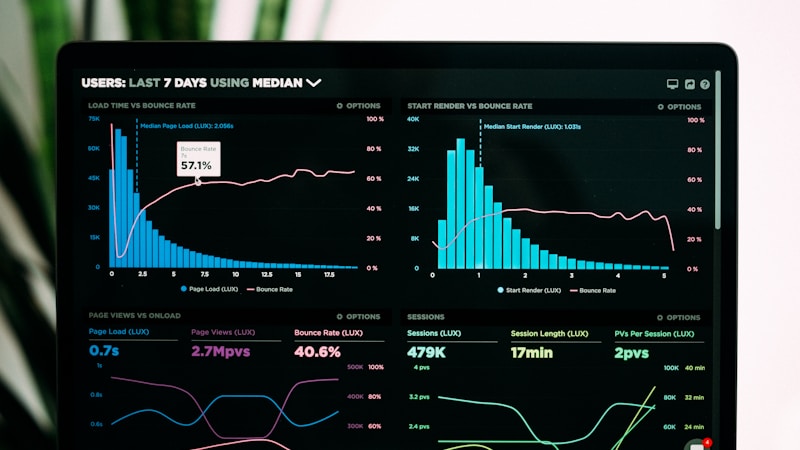
Async teams need clarity on “who owns what” and “what’s blocked.” That’s a task system problem, not a motivation problem.
Objective criteria for task tools:
- Clear ownership and due dates
- Status that reflects reality (not aspirational)
- Templates for repeating work
- A weekly review ritual
If you need sprints, use sprint-friendly tooling. If you don’t, avoid adding sprint overhead.
Scheduling and Time Tracking: Measure What Matters

Meetings are expensive in remote teams across time zones. Use scheduling tools to reduce back-and-forth, and use time tracking only if it serves a clear purpose.
Balanced guidelines:
- Use scheduling links for external calls; keep internal meetings minimal.
- Prefer async updates over recurring meetings when possible.
- If you track time, do it for billing or capacity planning, not surveillance.
Tool Consolidation vs Best-of-Breed
Some teams prefer a single platform (e.g. Notion for docs + tasks + wikis); others mix tools (Slack + Confluence + Linear). There’s no single right answer. Consolidation reduces context switching and billing, but one tool rarely excels at everything. Best-of-breed gives you stronger features per area and more flexibility, at the cost of integration and “where does this live?” confusion. A practical middle ground: pick one primary place for decisions and one for real-time coordination, and avoid adding a third category (e.g. “yet another place for project updates”) unless you have a clear reason. Whatever you choose, document it in your “how we work” doc so new hires and reviewers know where to look. Revisit the stack every 6–12 months; if a tool is underused or duplicated by another, consolidate or drop it. Remote teams that scale well usually have a single source of truth for “where we decided X” and a clear rule for when to use chat versus when to post an update in the knowledge base. Default to written updates and only escalate to a call when async didn’t resolve the question. That keeps meetings rare and purposeful.
Summary: the best remote work stack for async teams is the one that keeps decisions visible, ownership clear, and meetings minimal. Separate chat from decisions, keep a small knowledge base, and choose task tools that match your planning style. For picking and sticking with those task tools, our best project management tools for small teams guide uses the same “workflow first” logic.
If you’re building an async culture, tools help—but habits matter more. A short weekly update and a consistent “where decisions live” rule will do more than switching apps every month.
FAQ
Q. How many remote tools is too many?
A good baseline is one chat, one docs, one tasks tool. Add scheduling and time tracking only when you need them. Too many tools blurs “where does what go,” and everything ends up in chat.
Q. Won’t going fully async hurt communication?
Async isn’t “no meetings”—it’s “decisions and context in writing.” Weekly updates, short retros, and brief docs for important decisions reduce meeting load while keeping everyone aligned.
Internal link anchors (ideas):
- “Best project management tools for small teams (2026)”
- “Productivity automation workflows that stick”